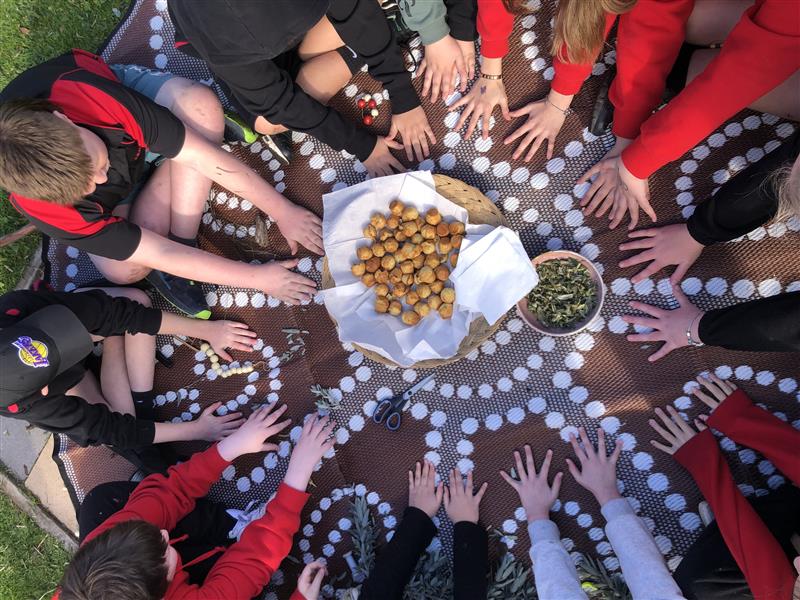
At Clarendon Vale Primary School, the garden is much more than a place to grow vegetables.
For almost a decade, the school’s Kitchen Garden Program has been bringing together growing, cooking, creativity, sustainability and learning – while helping students build confidence, connection and a better understanding of where their food comes from.
What began in 2016 with a garden developed by Mission Australia has grown into an integral part of school life, supported by partnerships including the Material Institute, philanthropic organisations and the University of Tasmania.
We spoke with Serena King, Kitchen Garden Program Co-ordinator, about how the program has evolved, what students are learning and why she believes every school should have a garden.
For readers who haven’t visited Clarendon Vale Primary School, can you tell us about the garden and how it all began?
It all began back in 2016 when the garden was developed by Mission Australia. The site was chosen because it sits between the neighbourhood centre, the child and family centre and the school, creating this beautiful community meeting space.
It’s not just somewhere for school children to work. It’s really a space where the whole community can come together and connect. Community members can also come in and grow their own food, and surplus produce can go into the food hub.
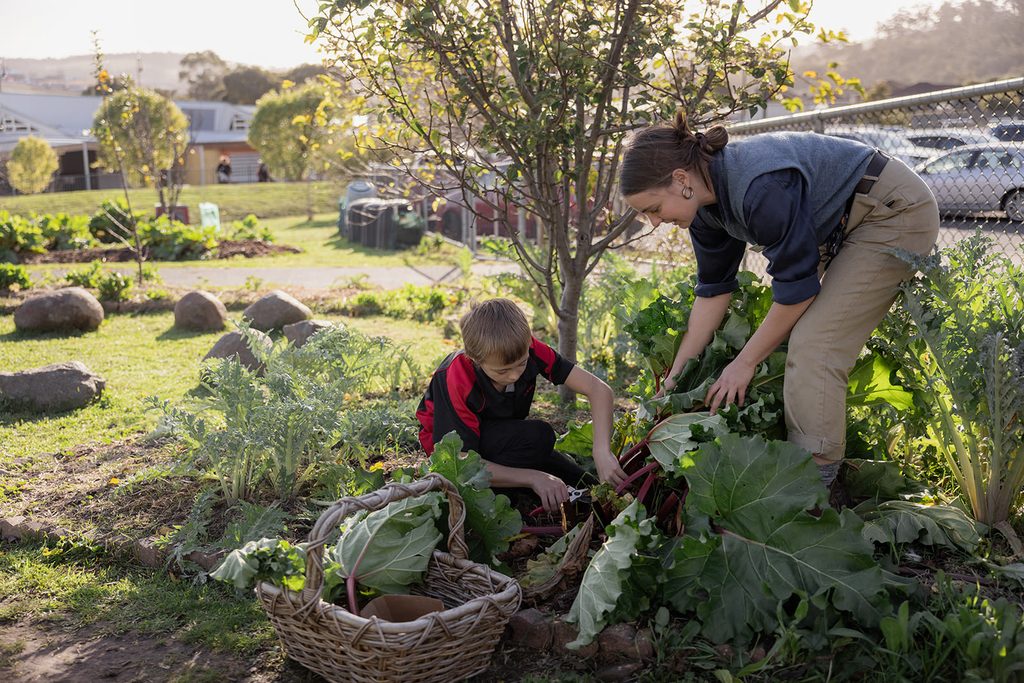
The students have been involved in the garden since 2017 through our Kitchen Garden Program, and we’ve seen their value and connection with the garden really improve over that time.
They’ve planted the kale bushes and watched them grow, so they feel more connected to that space. Originally, there was a bit of vandalism, but now, because of that level of connection with the garden, it has completely dropped.
It’s become a place where students feel safe, connected and valued.
The program has grown significantly over the past decade. How important have partnerships and long-term investment been?
Having those partnerships has been integral to the development of the program.
We’ve been very lucky to have philanthropic funding, as well as partnerships with organisations such as the Material Institute. At the beginning, we were really valued because the organisation providing the funding came to us and said, “What does an ideal program look like?”
That gave us the opportunity to really think about what our students needed and expand the program around those needs.
It was absolutely student-led. We identified that our school really needed an alternative learning program, where some of our most disengaged students could work one-on-one with a Kitchen Garden specialist.
Their learning plans now reflect the Kitchen Garden goals they’re working towards, and we can roll different curriculum concepts into the garden space.
Through those partnerships, we’ve developed the alternative learning program, a cooking and environmental leadership program and different spaces throughout the school to reflect the needs of our students.
We’ve also now got the University of Tasmania on board to evaluate the program, and seeing that the expanded program does actually work has been really important.
What did the University of Tasmania evaluation reveal?
It was lovely to see the actual numbers.
School attendance has improved on the days the Kitchen Garden Program runs, which are Monday to Wednesday. That was really exciting to see on paper.
We also saw an increase in literacy and some of those key academic indicators.
But I think hearing from families how much they value the program has been just as important. We’ve seen a significant increase in the number of families attending community events run through the Kitchen Garden Program.
Students go home and tell their parents about what they’ve been doing. They might bring home recipes they’ve created and then say, “Come along and taste the recipe I came up with.”
Families are more likely to come on board because the students are so integral to the program.
Beyond growing vegetables, what are students really learning in the garden and kitchen?
There are obviously the literacy and academic components, but we’ve also been very lucky to partner with the university’s speech pathology department.
We’ve had two speech pathology students develop a set of resources, so oral language and communication development have become an integral part of the program. A lot of our students struggle with language difficulties, so it’s been really important to see that grow as well.
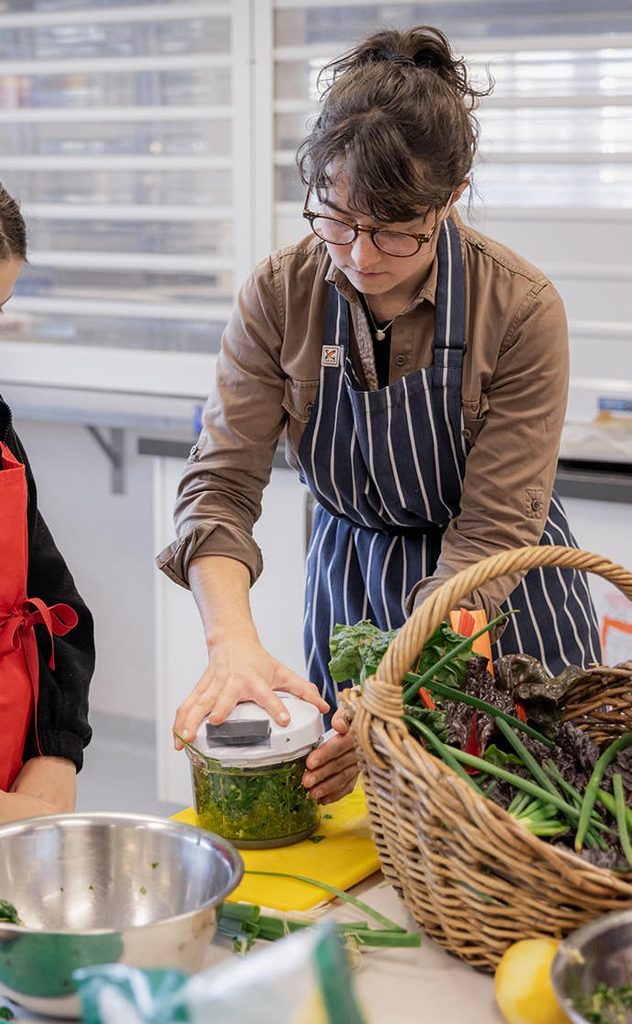
I think sometimes people think it’s just about cooking and gardening, but in Clarendon Vale it’s much bigger than that. It’s about confidence, self-esteem, working as a team and all those curriculum integration concepts.
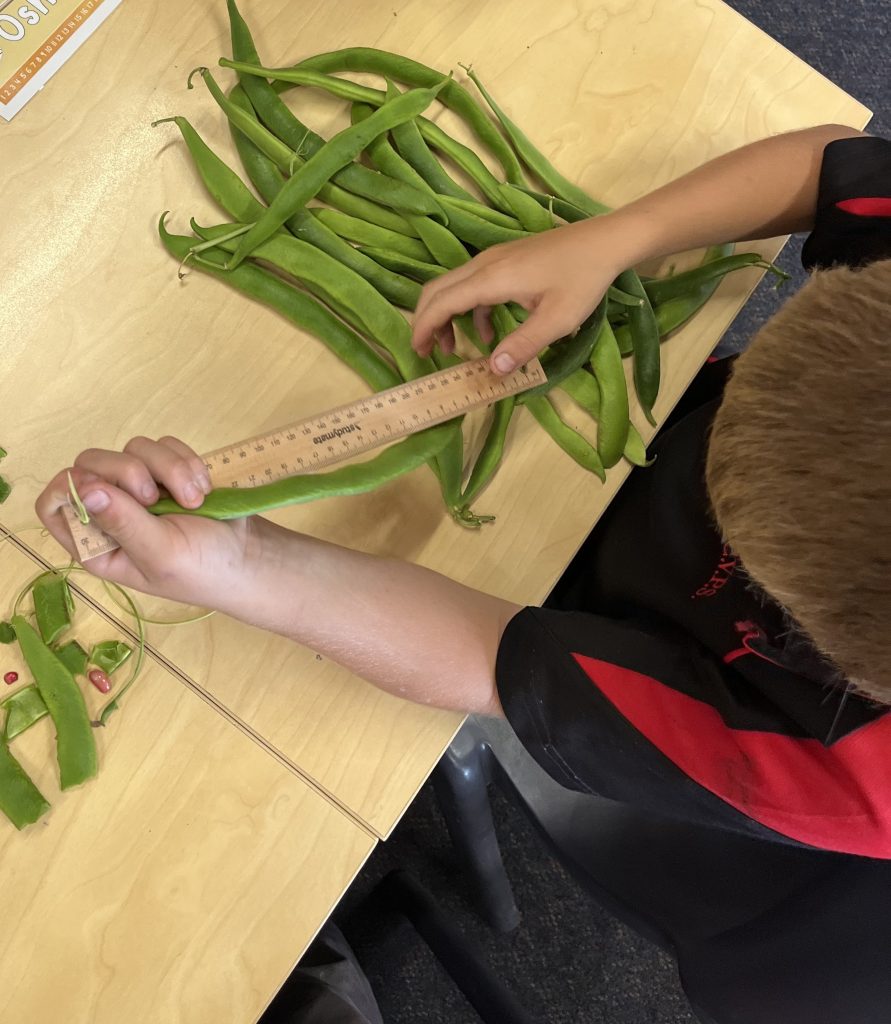
A pizza can become a lesson about fractions. In the garden, students might build and decorate their own ruler to understand measurement, then use it to plant their seeds.
Rather than saying, “Let’s just get out a tape measure,” they’re involved from the beginning. They design the ruler, they own the ruler and, therefore, it becomes much more important to them.
Have you seen a change in the way students think about food?
Absolutely.
When I started back in 2017, I remember showing the students a potato. They didn’t know what the potato was, and they definitely didn’t know the potato was where chips or fries came from!
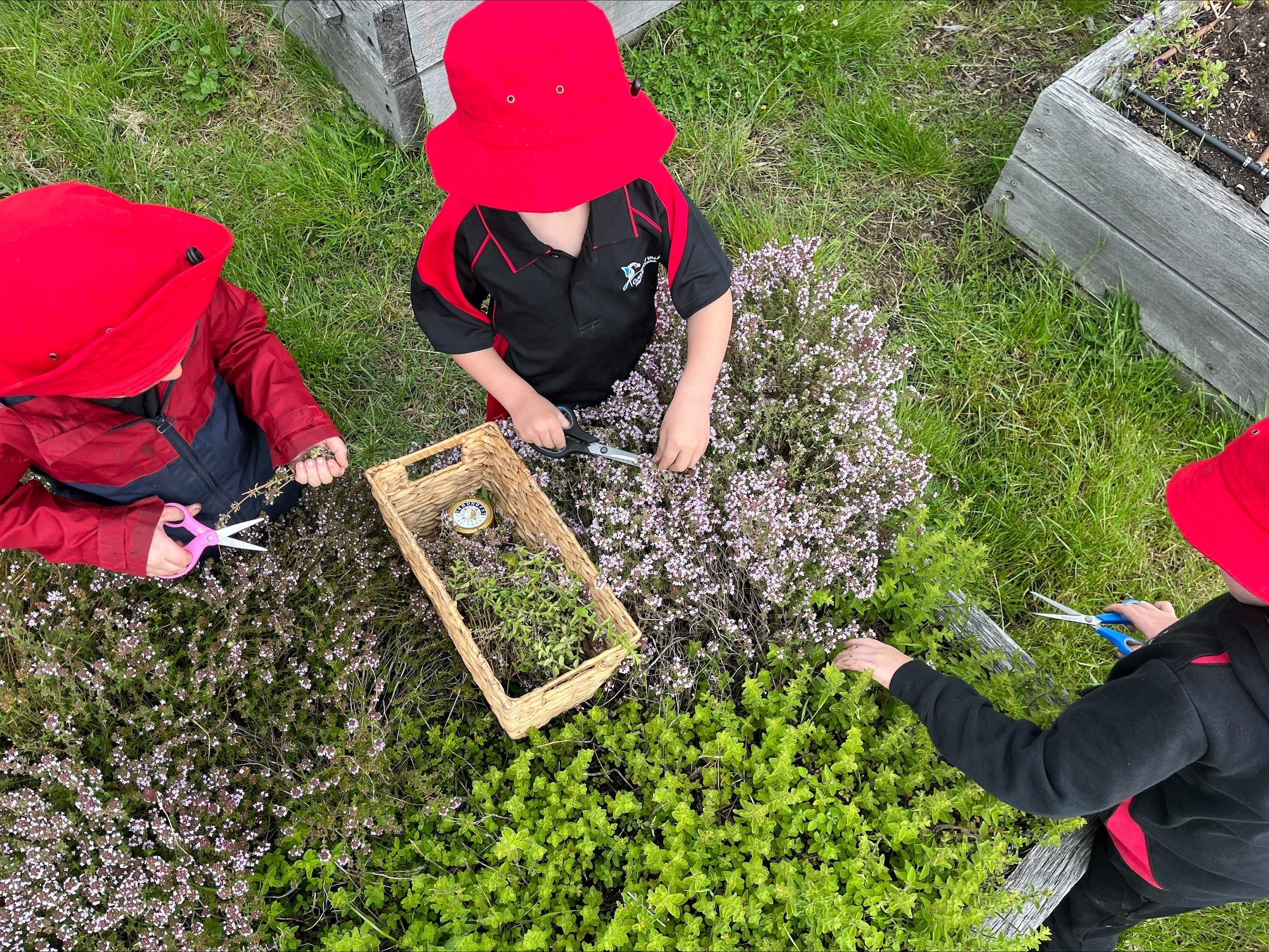
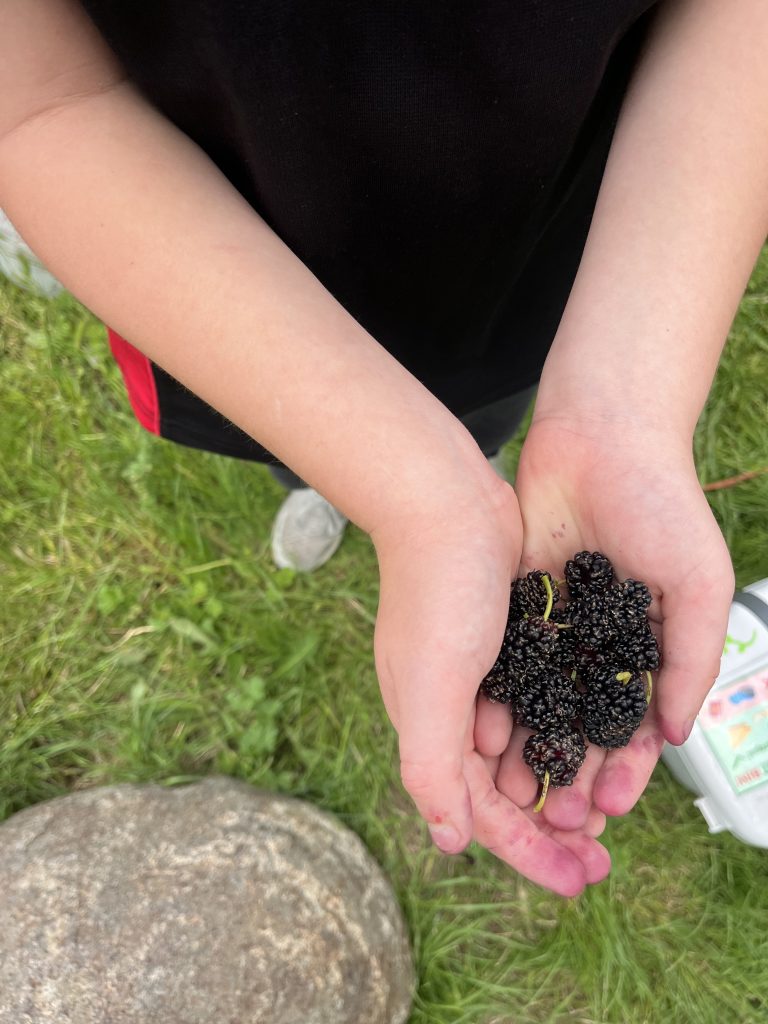
Now they’re going out and grabbing kale off the bushes and trying edible flowers like calendula.
They’re much more willing to try things, and I think because they can see their peers trying them, they’re more likely to try them themselves.
We’re seeing that in the lunch program as well.
Can you share an example of a student whose confidence or engagement has changed through the program?
There was a student who struggled with attendance. Working one-on-one through the alternative learning program, we started working in the garden. The student became really connected with the different sensory experiences. Then, with more confidence, the student found that the kitchen was actually more interesting and even developed their own recipes.
That’s an incredible and powerful story of someone who really struggled to start with and, through the Kitchen Garden Program, has found her confidence.
Why do you think the combination of growing, cooking, creativity and sustainability has been so successful?
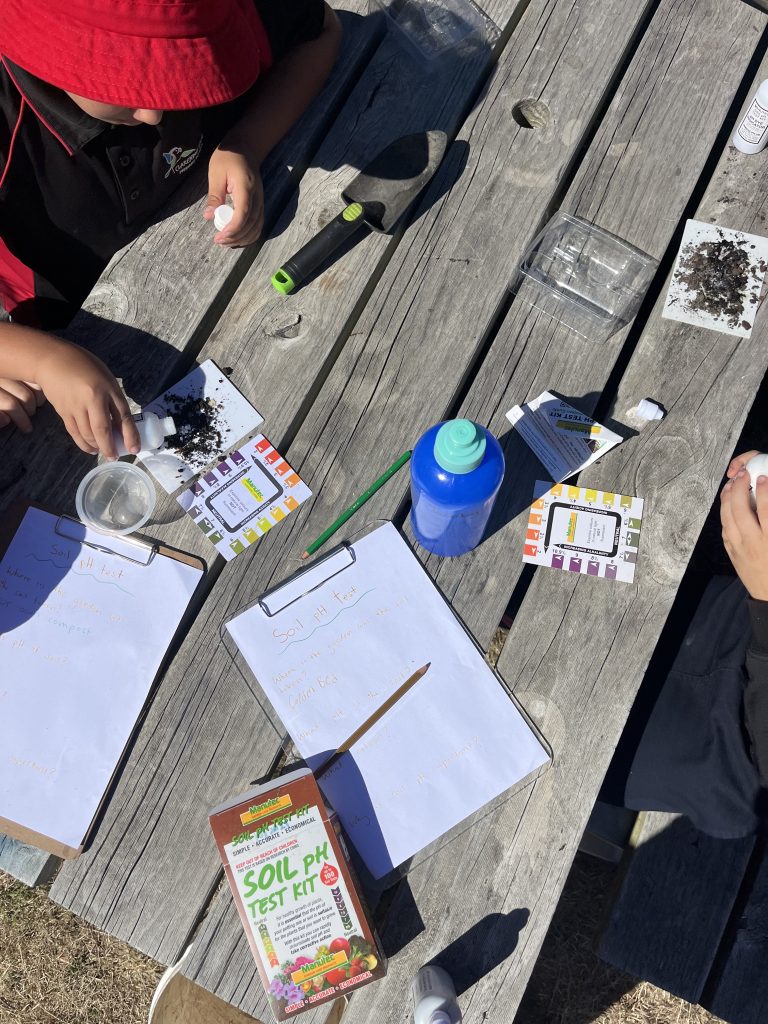
I think the Kitchen Garden provides an alternative classroom. In that space there are so many different ways to communicate traditional academic concepts.
We’re really lucky to have talented Kitchen Garden specialists who bring other skills too, such as art. Every class might involve drawing a potato or saltbush, or answering the question, “What’s the one thing you’ve learned today?”
It’s about using different experiences to learn concepts.The students might build and decorate their own rulers, or use a piece of a stick as a ruler to measure where they’re planting seeds.
All those different experiences – the drawing, the creativity, designing something and owning it – make the learning more meaningful.
It’s not just growing seeds. It’s growing seeds of connection and growing seeds of opportunity as well.
What about understanding where food comes from?
I think school gardens are absolutely integral. I believe every school should have a school garden because once students understand where their food comes from, they have a greater capacity to make informed choices around food.
They begin to understand seasonality and the importance of origin. We might talk about dairy and ask, “What’s a cow? What might come from a cow?” Then you see those little light bulbs go off when they realise that cheese comes from milk, and milk comes from a cow.
We also talk about supporting local producers. If food is coming from somewhere else, what does that mean for the environment? If we can go to our local farm and get our milk from a local farmer, why is that important?
We embed those sustainability concepts into the program, along with the importance of fresh, seasonal produce.
And I think it’s important for students to understand that good food can be affordable too.
Do you see the garden as a pathway into future careers?
Absolutely. Identifying those passions is really important.
We’re lucky to have a retired entomologist who works with our students every Wednesday, and many of our students show a real interest in bugs. They might decide, “I’m going to learn more about bugs.”
There are so many different pathways – not just traditional hospitality and horticulture.
For some students it might be digital literacy. For others, it might be art because they’ve discovered how much they enjoy drawing in the Kitchen Garden.
Those pathways are really critical because students are getting real-world experiences and discovering their own interests.
What advice would you give a school or community organisation wanting to start its own kitchen garden?
I think it’s important to recognise that a kitchen garden can become an integral part of any school.
It can provide an alternative classroom where you can explore so many curriculum links, and students can learn curriculum-based concepts through real-world experiences.
It can be a speech and language tool, a creativity tool, a place to learn how to cook and grow – it can be so many things.
Then it’s about resourcing, and I know that can be difficult for schools. We’ve been lucky to develop partnerships with external organisations, so getting creative about finding those opportunities is important.
But you can also start with what you have.
If you’ve got a tiny courtyard, you can grow things in pots. Even something as simple as growing snow peas and letting students pick and taste them can be a starting point.
You don’t have to come in with a super whiz-bang program three days a week with amazing resources.
You can start small and watch the changes you can make with students through even a small program.
What gives you the greatest hope for the future of food education in Tasmania?
I think it’s the fact that we’re recognising the power of school gardens.
Within the 24 Carrot Gardens program, we already have 24 schools engaged, but there are many other schools seeing how important school gardens and kitchen gardens are and going off their own back to establish them.
I think that’s really powerful.
The literature is out there and the evidence is out there that connection to nature works and that kitchen gardens work. We have the Stephanie Alexander Kitchen Garden model, which demonstrates the value of this approach nationally.
When you have that evidence, it makes sense that we look at ways of embedding sustainable approaches to kitchen gardens in schools.
And finally, what’s your favourite vegetable?
It’s hard not to think about the potatoes! But I’m actually going to say saltbush – I know it’s not a vegetable.
It’s something where we’ve seen the students develop such an amazing relationship with the plant.
Around 25% of our students identify as Aboriginal, and saltbush is a native plant that grows really well in drought-tolerant areas. It grows in abundance and, when you suck on the leaves, it actually tastes like salt, so the students love that.
They can fry it up and get this salty, oily kind of sensation.
We’ve used it in so many recipes — saltbush damper, native spice mixes, pizzas with potatoes and, today, we made potato chips with saltbush.
It’s native, it grows naturally, you don’t have to water it, it’s hardy, and the students have learned how to propagate their own saltbush.
And your favourite fruit?
We’re so lucky to have an amazing orchard with an abundance of different things, but I’m going to say feijoa.
We have the most amazing feijoa hedge in our garden and, last term, we had so many feijoas that we learnt all sorts of recipes.
It’s a very interesting flavour, but the students are getting their heads around it. We’ve made feijoa muffins, cakes, jams, chutneys and all sorts of things.
So I’m going to say feijoa!
Students have also taken their learning beyond the garden beds, creating the Grow Garden Emu Walk — a self-guided trail featuring emu footprints, eggs and QR codes that invite visitors to explore and learn about the garden. The students planned the route, designed the artwork and created activities engaging the senses, giving them hands-on experience in everything from content creation to digital storytelling.