By Kate Crawford, State Manager, Eat Well Tasmania.
Tasmanians care deeply about food.
We care that it is safe. We care that it is healthy. And we care that it is local.
For decades, governments, health organisations and communities have encouraged people to grow their own food, eat more vegetables and fruit, support local producers and share surplus produce with neighbours and others. We have invested in school kitchen gardens, community gardens, farmers’ markets and neighbourhood food initiatives because we know they improve health, reduce food waste, strengthen social connections and help families access fresh, affordable food.
These are not just lifestyle choices. They are public health successes.

That is why the proposed Primary Produce Safety (Horticulture Produce) Regulations have generated such widespread discussion across Tasmania recently.
From Eat Well Tasmania’s perspective, this isn’t a debate about whether food safety matters. Of course it does.
Every Tasmanian should have confidence that the food they purchase and consume is safe. Strong food safety regulation protects consumers, strengthens trust in our food system and supports Tasmania’s reputation for high-quality produce.
The question isn’t whether we regulate.
The question is whether we regulate in a way that is proportionate to risk.
Food safety risks are not the same across every part of our food system.
Similar questions have also been raised for Tasmania’s hospitality sector. What might regulations mean for restaurants that grow herbs and vegetables in kitchen gardens, or for chefs who responsibly source seasonal foraged ingredients that have become part of Tasmania’s food identity? Greater clarity on where regulations apply will help ensure good food safety outcomes without creating unnecessary uncertainty for businesses already navigating existing operational demands.
Large-scale production, processing and distribution systems involve multiple handling points, complex supply chains and significantly greater potential public health consequences should contamination occur. These are exactly the places where robust regulation delivers the greatest public health benefit.
But Tasmania’s food system is much broader than commercial production alone.
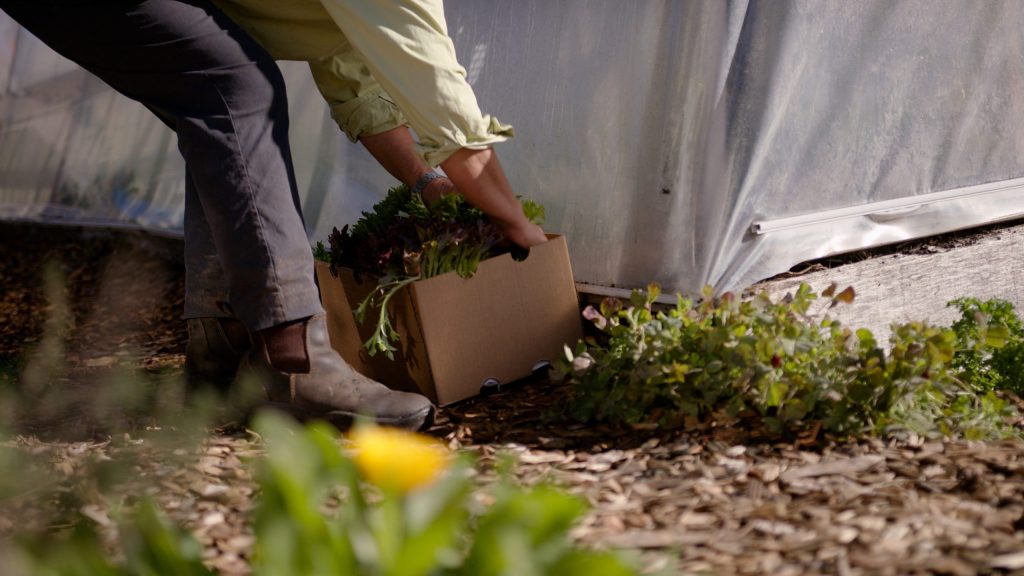
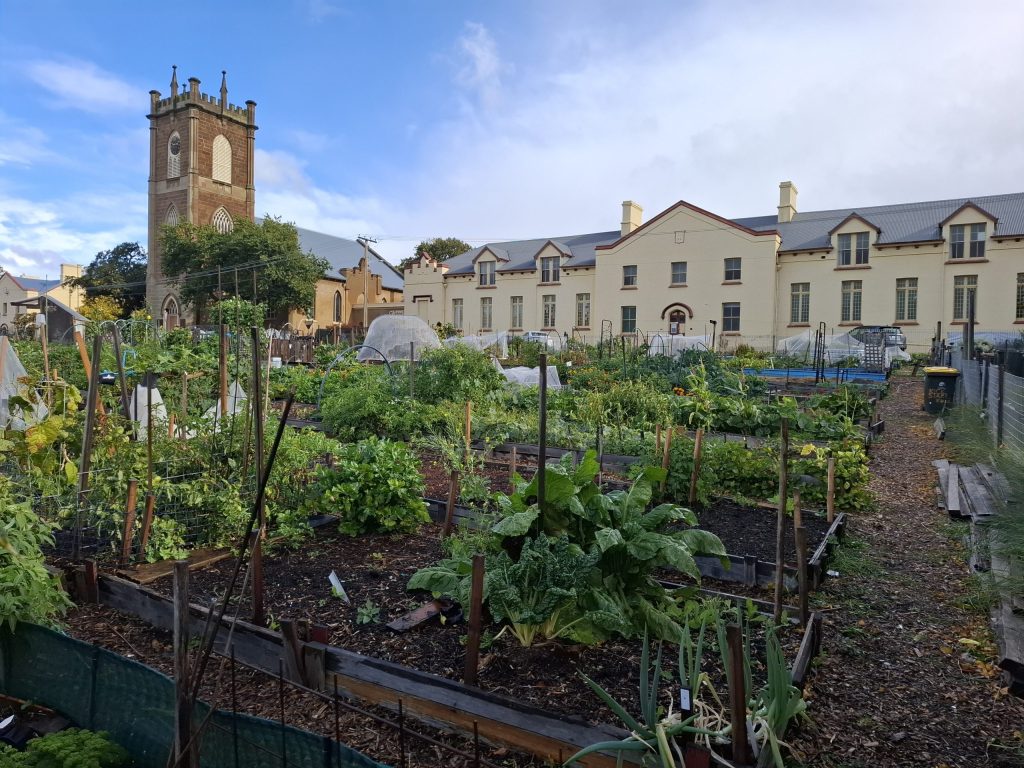
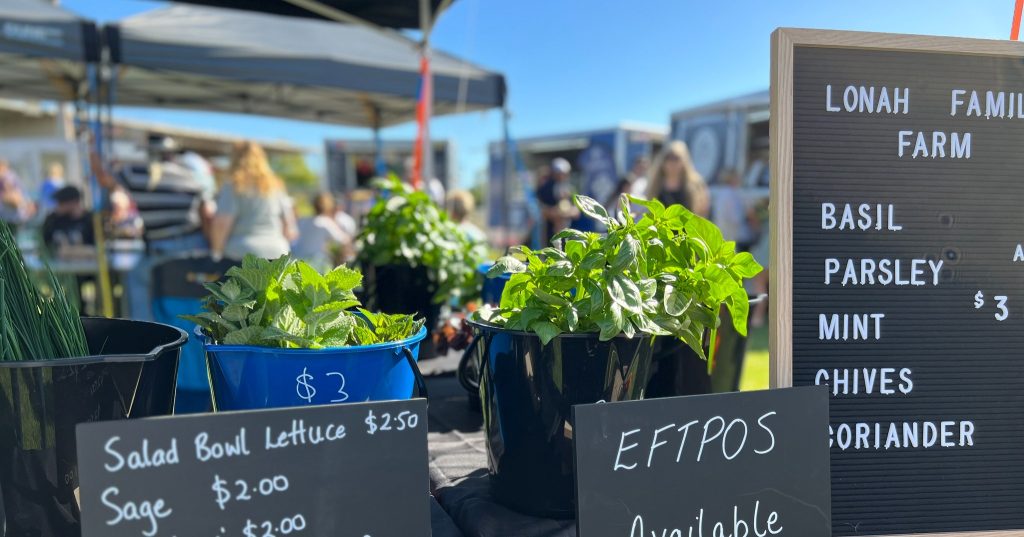
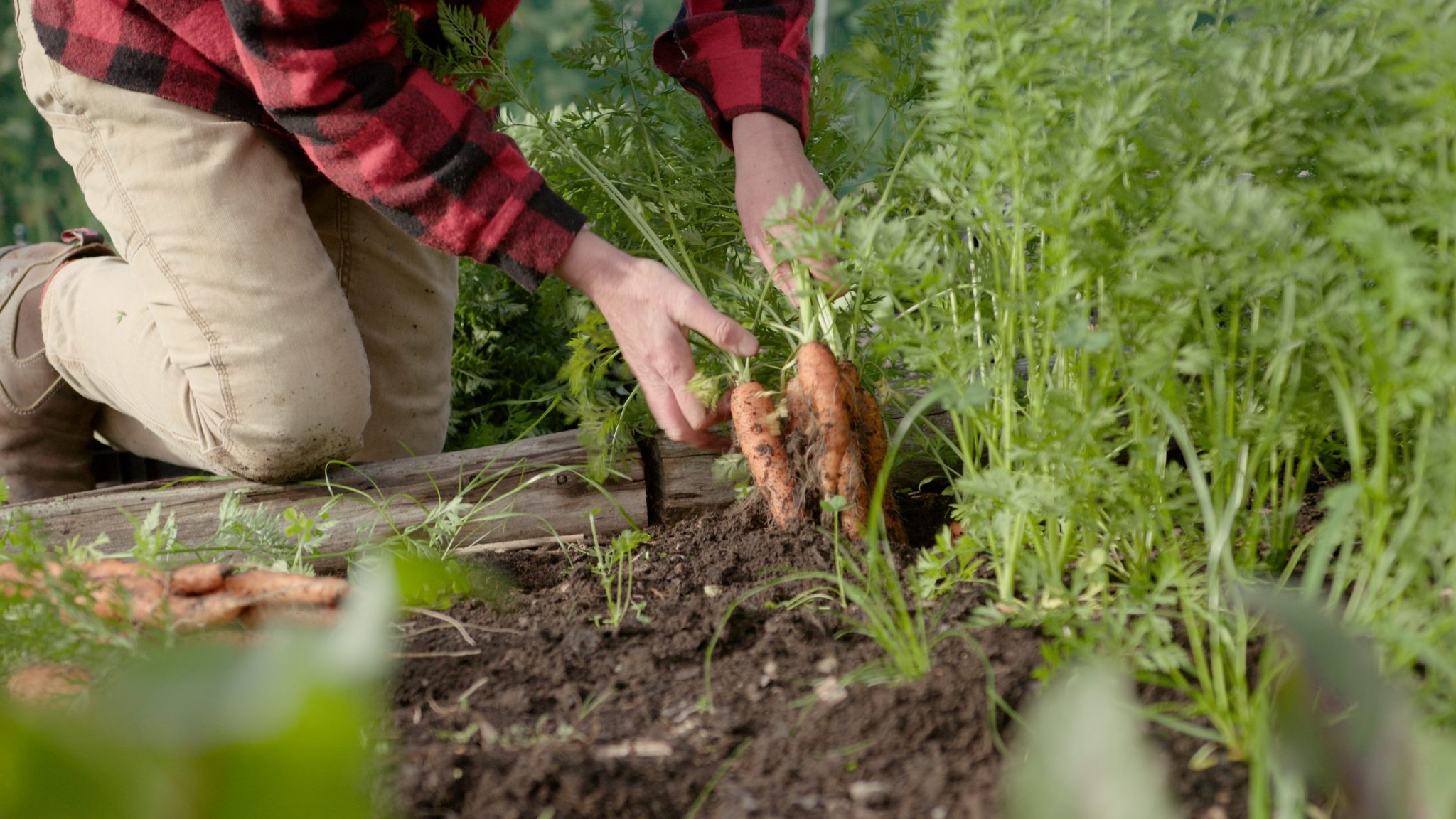
Across the state, people grow food in backyards, volunteer in community gardens, exchange produce through crop swaps, donate surplus vegetables to neighbourhood houses and food relief organisations, and sell a few bunches of herbs or spinach from roadside honesty boxes. These activities are woven into the fabric of our communities.
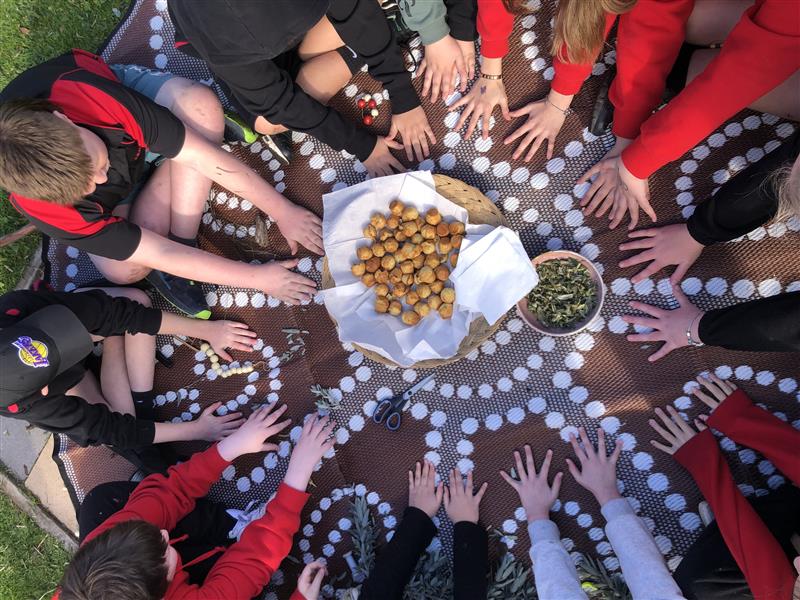
They help children learn where food comes from. They encourage people to eat more vegetables and fruits. They reduce food waste. They support people experiencing cost-of-living pressures. They create opportunities for neighbours to connect. They strengthen food literacy and community resilience.
These are public health outcomes too.
Throughout the consultation process, Eat Well Tasmania has listened to a broad range of voices from across Tasmania’s food system, including growers, community gardens, neighbourhood houses, food relief organisations, farmers markets, hospitality businesses, retailers, and everyday Tasmanians who grow and share food. While views differ on many aspects of the proposed Regulations, one message has been remarkably consistent.
People are worried.
Not because they oppose food safety, but because they fear low-risk community food activities may become unnecessarily complicated or subject to requirements that were never intended for them.
Many people are simply unsure whether the Regulations apply to them at all.
Others have told us they would stop growing or sharing leafy greens and berries before attempting to navigate paperwork or regulatory processes they don’t understand.
Whether those concerns ultimately reflect the final operation of the Regulations is almost beside the point.
If people are discouraged from growing and sharing healthy food because the system appears too complex or uncertain, Tasmania risks losing something incredibly valuable.
Good regulation should never unintentionally discourage behaviours that governments and public health organisations have spent decades encouraging.
This is why Eat Well Tasmania believes there is still an opportunity to strengthen the proposed Regulations.
We support a genuinely proportionate, risk-based approach that focuses regulatory oversight where food safety risks are greatest, while exempting low-risk community food growing and local food sharing activities that make such an important contribution to healthier communities.
Where regulation does apply, education should come before compliance.
People need clear guidance written in plain English. They need practical examples that reflect real community settings. Information should be translated where needed and delivered through trusted organisations already working alongside local communities. Administrative requirements should be proportionate to the level of risk and limited to what is genuinely necessary to protect public health.
The goal should be understanding, not unnecessary bureaucracy.
Food safety and community food systems are not competing priorities. In fact, they rely on each other.
The strongest food systems are those where people trust the food they buy, understand where it comes from, have opportunities to grow and share healthy food, and feel connected to the communities that produce it.
Tasmania has an opportunity to lead.
We can strengthen food safety while continuing to encourage backyard food growing, community gardens, local food sharing and stronger local food systems.
We can protect consumers without discouraging community participation.
And we can design regulation that reflects both the evidence and the values of Tasmanians.
Because safe food should never come at the cost of community food.
Whatever your perspective, this is an important opportunity to help shape the future of Tasmania’s food system. We encourage anyone with an interest in food safety, healthy eating, local food, community gardens, food relief or food security to read the proposed Regulations and make a submission.
The consultation on the proposed Primary Produce Safety (Horticulture Produce) Regulations closes at 5.00 pm on Thursday 30 July. Full details on how to engage can be found on the following website https://nre.tas.gov.au/biosecurity-tasmania/product-integrity.