Interview with Bronte Rowe, Marketing & Volunteer Engagement for Meals on Wheels Tasmania
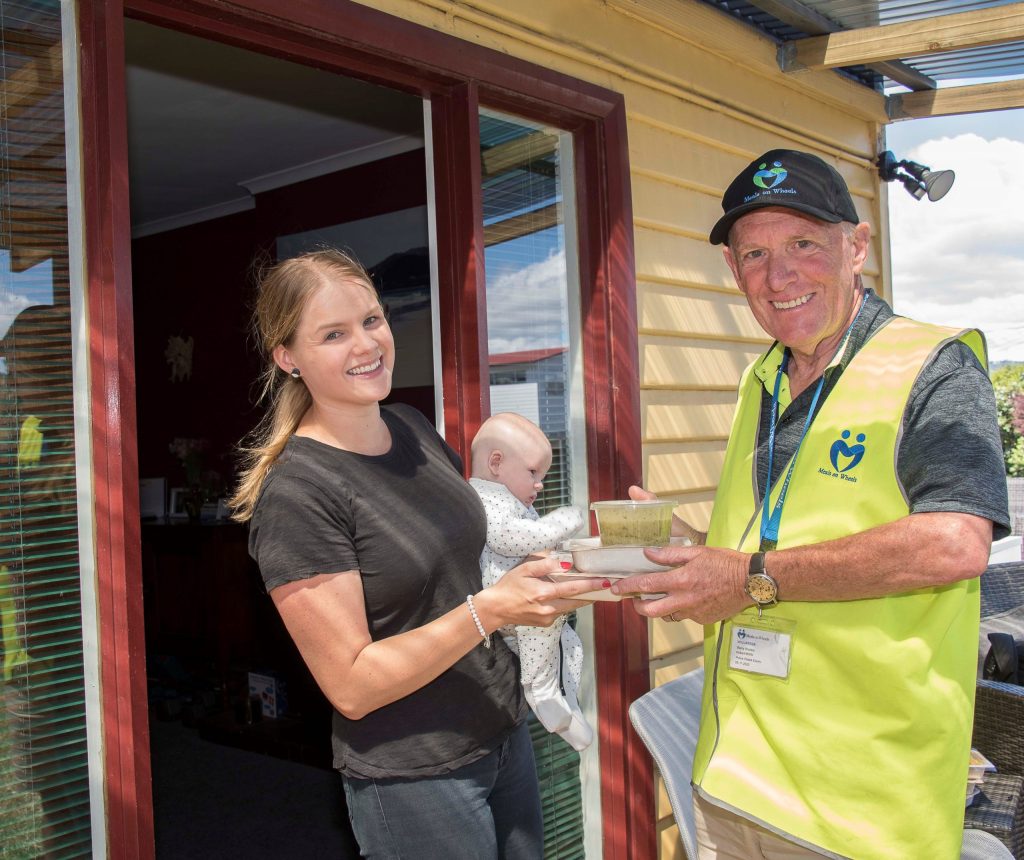
It’s an organisation that almost everyone has heard of, yet the true depth of its impact on the Tasmanian food ecosystem often goes unseen. Meals on Wheels Tasmania is far more than a food drop-off service; it is a vital network of care that supports Tasmanians to live independently, safely, and healthily at home for longer. By combining seasonal, nutritious meals with essential wellbeing checks and a friendly smile, their statewide network delivers both physical nourishment and vital social connection. We spoke with Bronte Rowe, from Meals on Wheels Tasmania, to discuss the logistics of supporting thousands of clients across our state, the power of their 700-strong volunteer workforce, and why a simple meal delivery remains one of our most effective forms of preventative, community care.
It seems like everybody has heard of Meals on Wheels, but what is your core mission?
Our core mission is to support people to live independently at home for longer by providing nutritious meals, social connection, and regular wellbeing checks. Here in Tasmania, we supported 2,693 clients last year to do exactly that.
When we talk about the ‘food eco-system’ in Tasmania, where does Meals on Wheels fit in? Is it emergency food relief?
We provide an ongoing, reliable service for people who can’t easily prepare meals themselves. While we’re not classified as an emergency food service, we do recognise that people experience hardship, and we have provisions in place, such as a hardship fund, to support individuals during difficult times.
When people think of Meals on Wheels, they focus on the food. What are the meals actually like and is it just a food drop-off service?
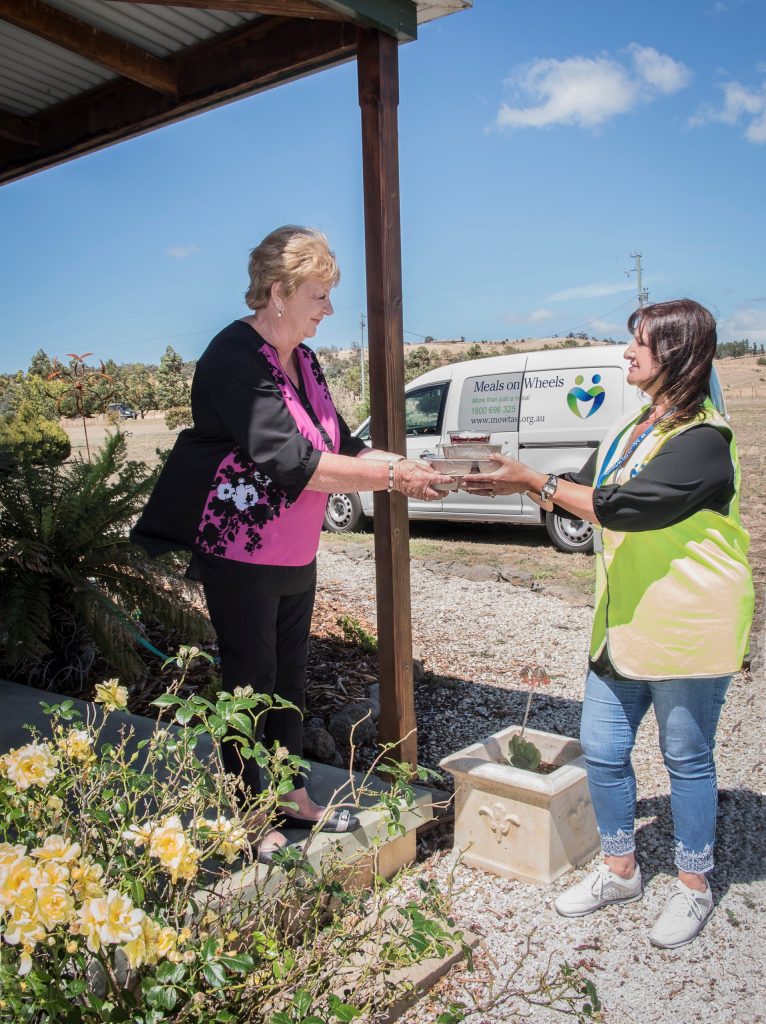
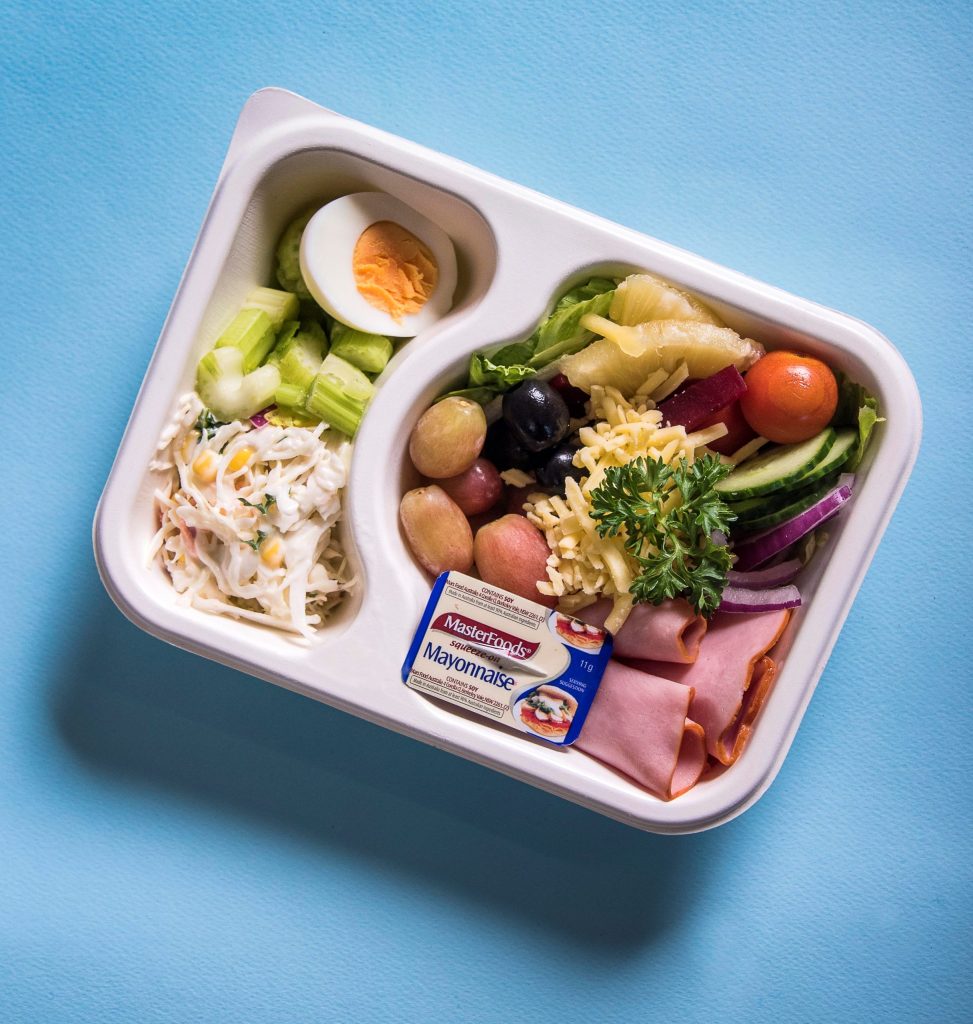
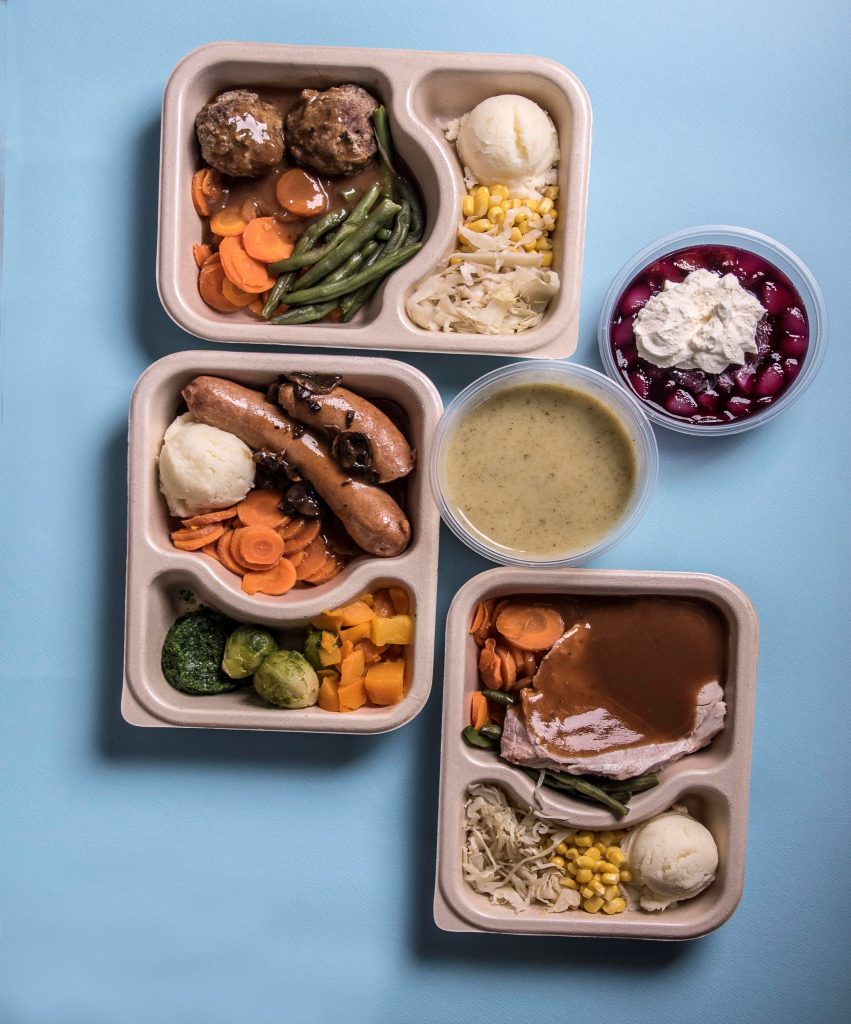
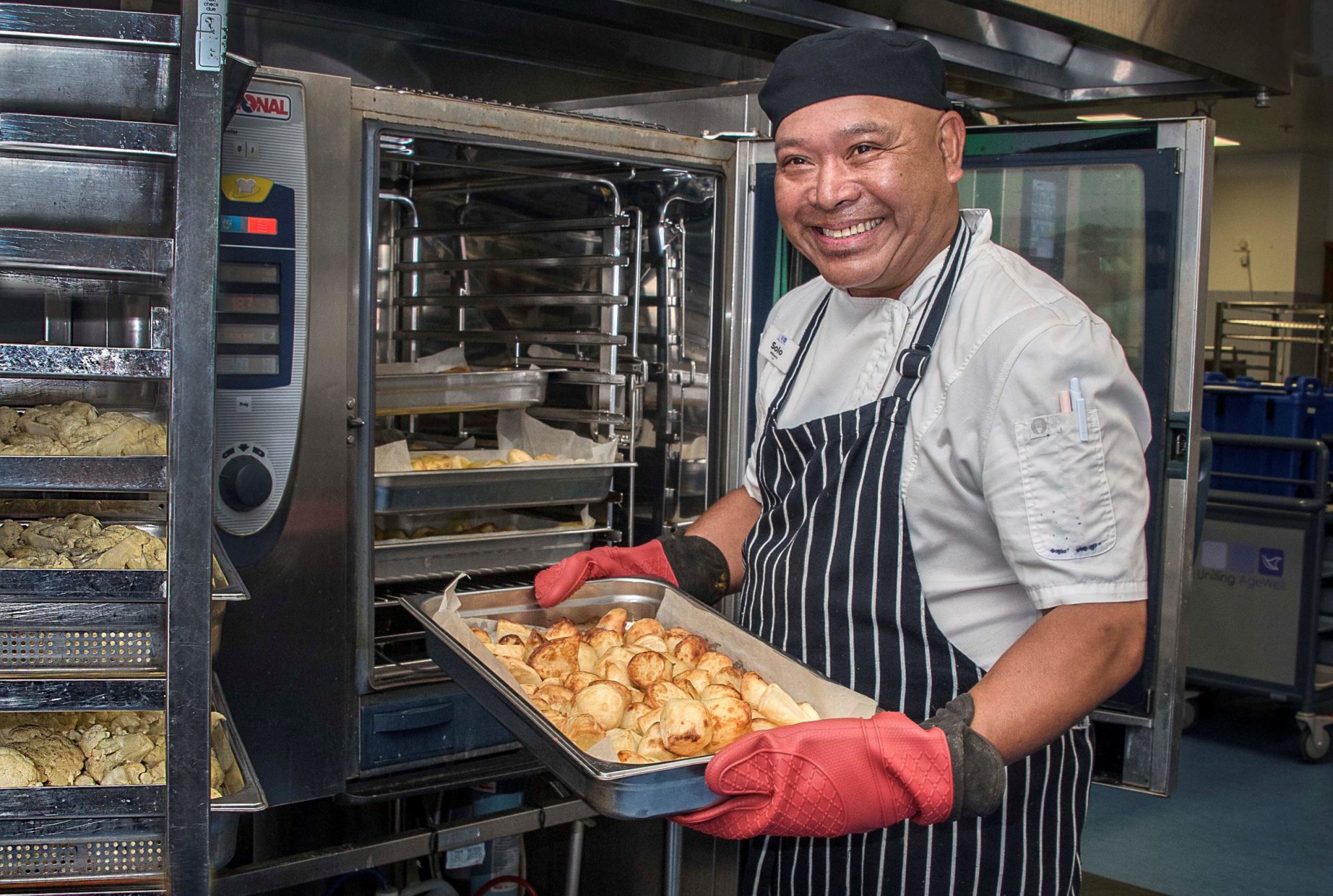
Our meals are nutritious, varied, and designed to meet dietary and textural needs, but the service is about more than food; last year alone, we delivered 35,754 soups, 95,327 desserts, 31,629 sandwiches and 252,541 mains. But it’s more than just a meal, it’s also a regular check-in and friendly connection.
Where does the food come from? How does it support our local producers and Tassie seasonality?
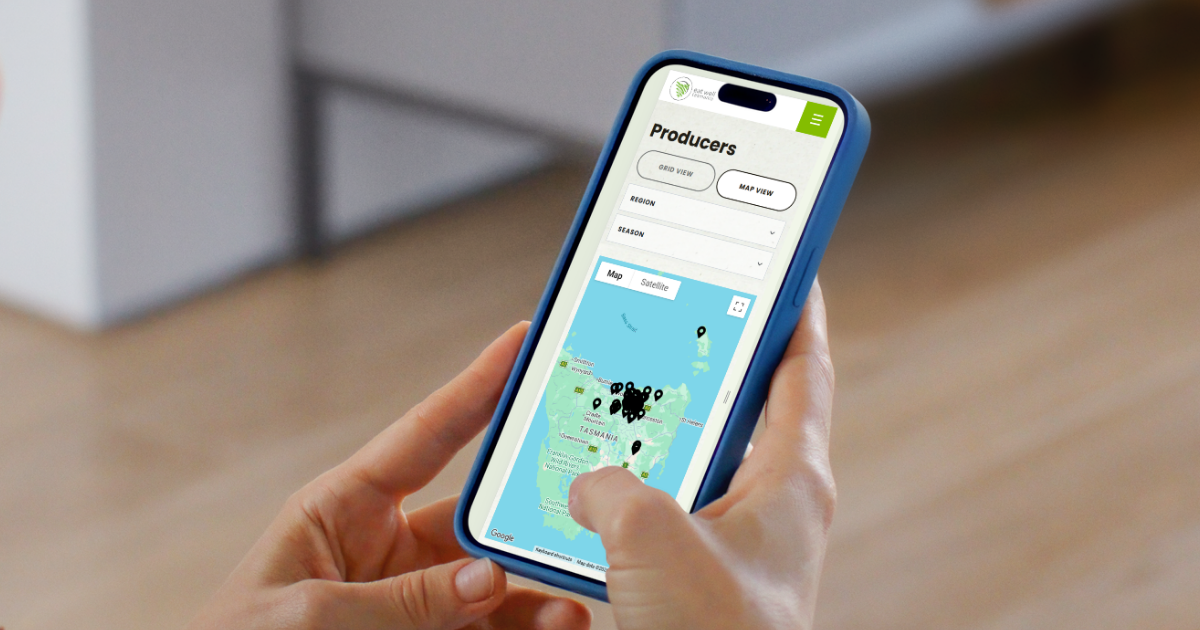
We work with trusted suppliers and try to source locally wherever we can. Our menus are designed to reflect what’s in season, and we’re always keen to partner with Tasmanian producers when the opportunity comes up.
An organisation like yours must rely heavily on the community – how many volunteers do you have? How can people volunteer and what’s involved – do volunteers need a special vehicle?
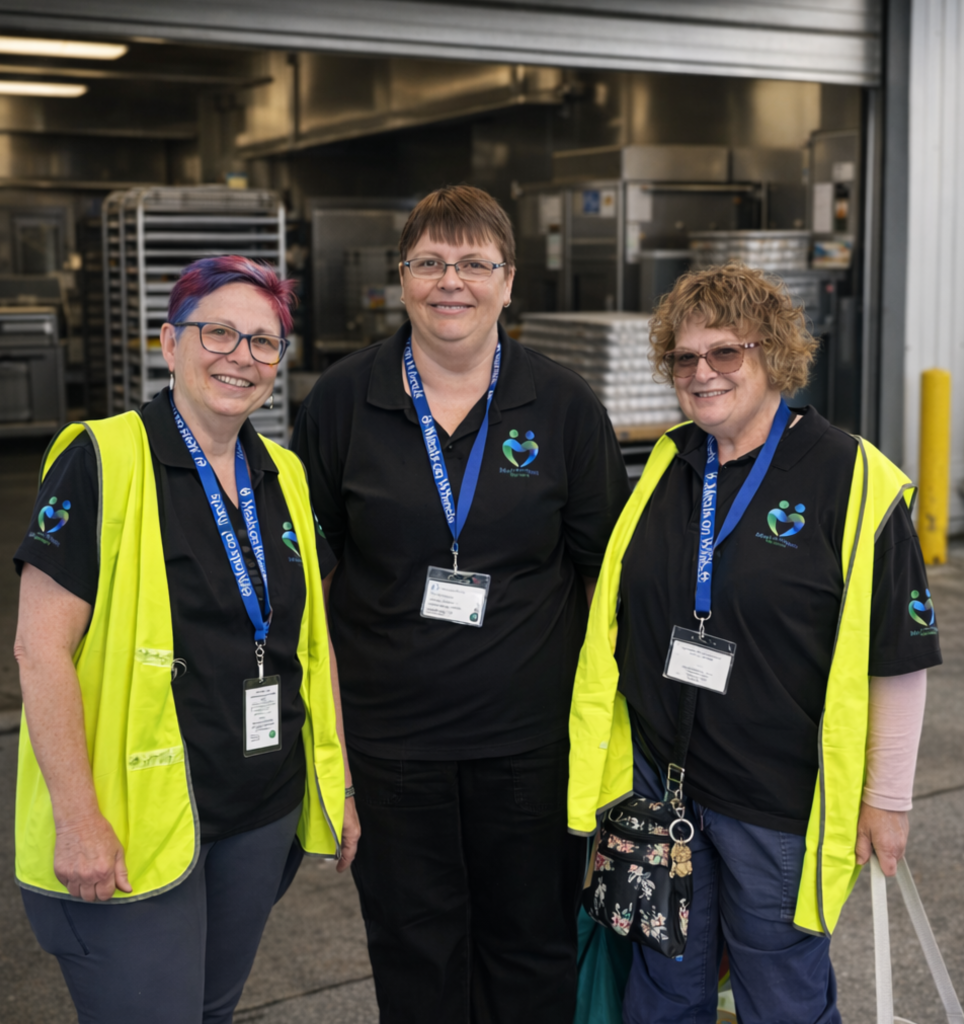
We rely on a strong volunteer network to deliver meals and provide that important social connection. Before COVID, we had over 900 volunteers. Today, we have just over 700 supporting deliveries across 15 branches statewide.
Volunteers use their own vehicles and receive a fuel contribution, with most meal runs taking place in the morning so clients can choose to enjoy their meal at lunchtime or for dinner.
We are always looking for more volunteers, with the goal of building a flexible team so people can contribute in a way that suits them, even if that is just once a month.
Tasmania has a highly decentralised population. What are the specific challenges of delivering this service to regional and rural communities?
While Tasmania’s geography presents very real challenges, it also drives us to innovate by creating collaborative, regionally tailored solutions that extend our reach to those who need us most.
Today, we deliver meals across a vast footprint, from as far north-west as Smithton to the East Coast and down through the Huon Valley. This reach is made possible by the dedication of our volunteers, who help us maintain strong and reliable coverage across diverse communities.
However, we know there is more to do.
We are always seeking partnerships with organisations that share our commitment to community wellbeing, and who can help us bridge the final gaps into more remote areas, such as Bruny Island. Through collaboration with refrigerated transport providers and local networks, we are working to realise a long-held goal: delivering essential meals safely and consistently to island communities.
Can anyone across the state access the service?
Aged care funding in Australia is transitioning, notably with the rollout of the Support at Home program. How is Meals on Wheels navigating this?
I think any aged care provider will tell you the transition to the new Aged Care Act hasn’t been without its challenges. The intent is strong and aligns with what we do, helping people stay well at home through a more consistent, rights-based system.
At the same time, it has brought increased admin and compliance requirements, and some participants are finding the new pricing and co-contributions confusing. We’re responding by focusing on clear communication and support, so people can understand their options and continue accessing essential meals.
By working closely with government and sector partners, we’re helping shape practical solutions and reinforcing the role of meal services as a key part of preventative, community care.
At the end of the day, our focus is simple: making sure Tasmanians can access timely, affordable support to stay healthy, independent, and connected at home.
How can someone find out if they are eligible, and how do they access the service if they need it?
To enquire for yourself or on behalf of someone else you can contact us on 1800 696 325 or visit our website www.mowtas.org.au/get-support/meals. Not sure if you qualify for government-subsidised funding? Call My Aged Care on 1800 200 422 and request a referral code for Meals on Wheels.
Subsidised options are available for eligible clients through government-funded programs, including:
- Self-managed NDIS participants with meal support included in their plan (Meals on Wheels Tasmania is not an NDIS-registered provider)
- Eligibility and pricing vary depending on the program, but all services are designed to support people to remain living independently at home.
- Older Australians (generally over 65, or over 50 for Aboriginal or Torres Strait Islander people) through My Aged Care programs such as CHSP or Support at Home.
- People under 65 who require support due to disability or health conditions through the HACC program
- Individuals transitioning from hospital through a Transition Care Package (TCP)
Are there any individuals or businesses you would like to give a shout out to?
We’re incredibly grateful to our volunteers, community partners, and local suppliers who make it possible to deliver this service every day.
We would also like to give a special thank you to our corporate sponsors: Ricoh, Urban Energy Electrical Contractors, Seafood and Maritime Training, Titane Windows & Doors, Headlam Howlett Excavations and Mobility4all.
What is your favourite fruit and your favourite vegetable?
If I had to pick just one fruit and one vegetable, I’d keep it simple with an apple and a potato. Not the most exotic choices, but both are incredibly versatile, dependable and Tasmania is known for producing some of the best of both.
The Wrap
Meals on Wheels support people to live independently at home for longer by providing nutritious meals, social connection, and regular wellbeing checks.
Where: Find your local service
More info: Meals on Wheels Tasmania
Contact Bronte to discuss ways to partner: bronte.rowe@mowtas.org.au